-
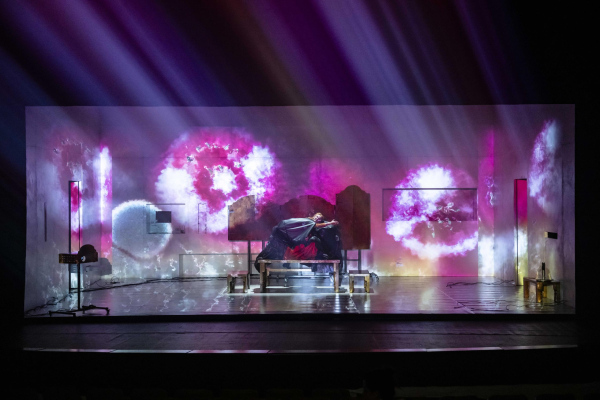
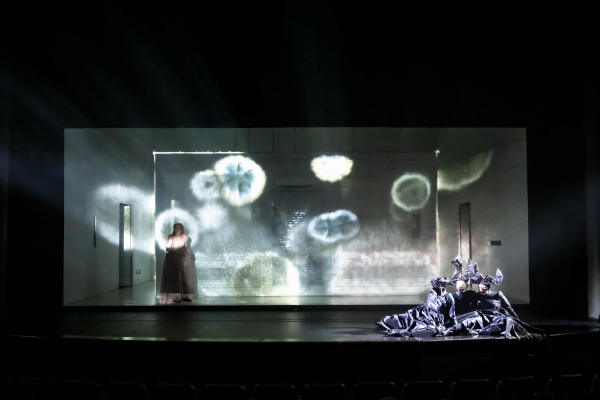
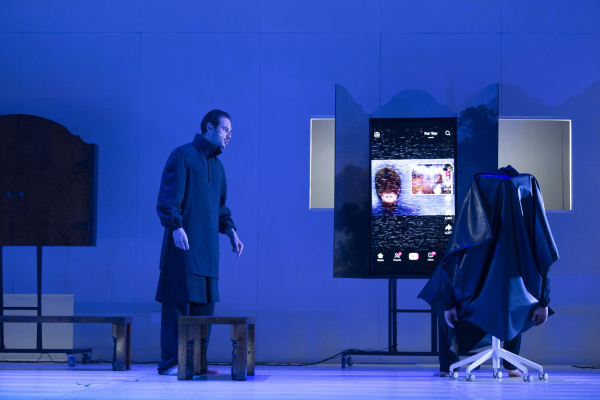
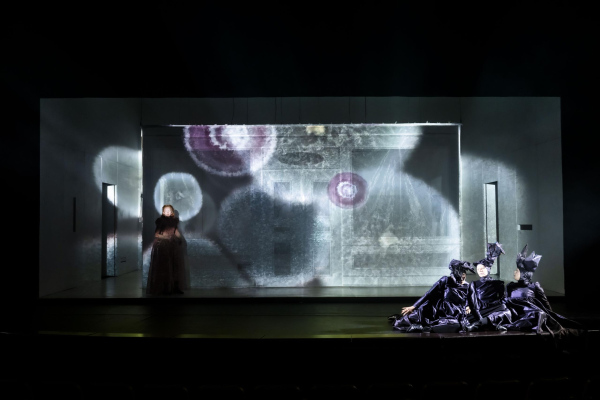
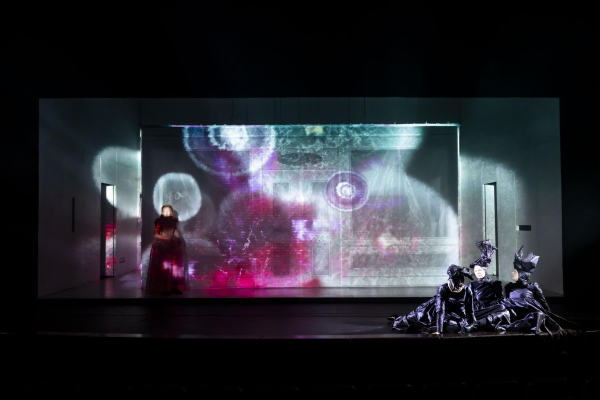
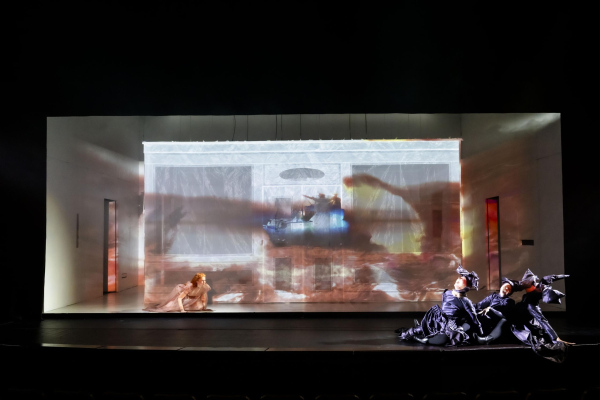
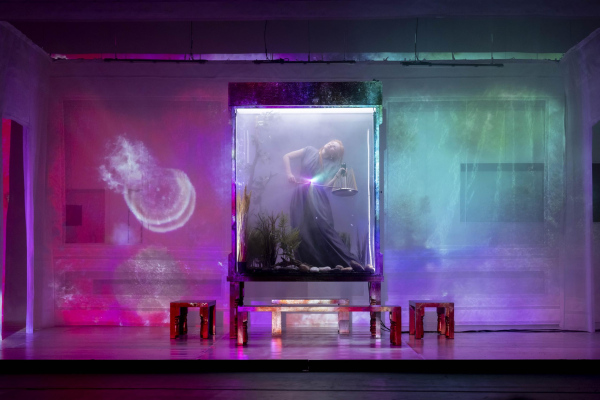
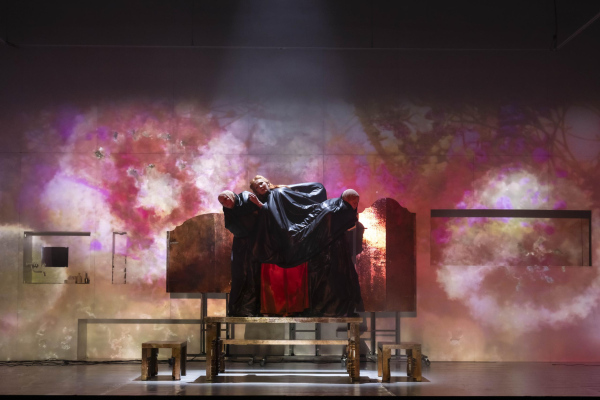
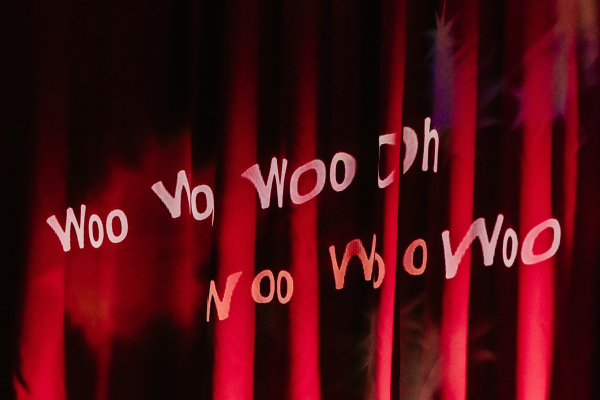
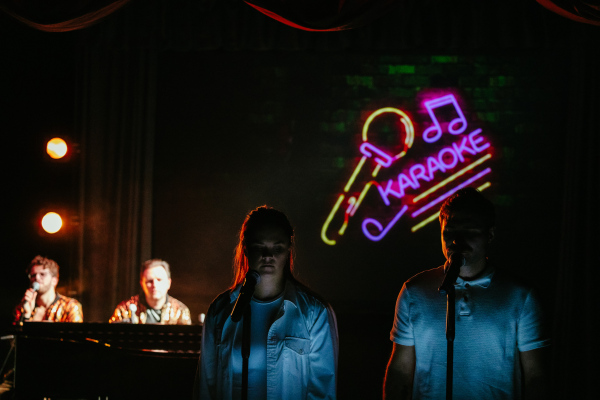
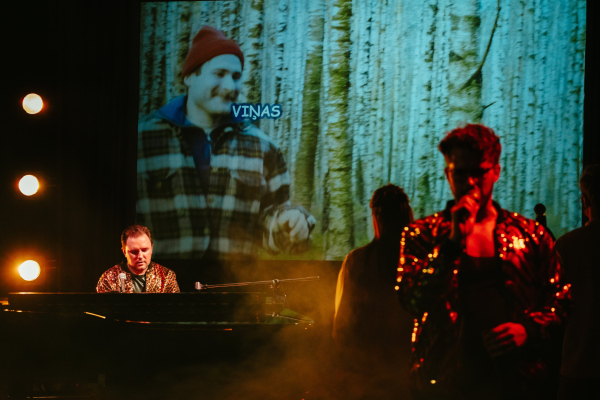
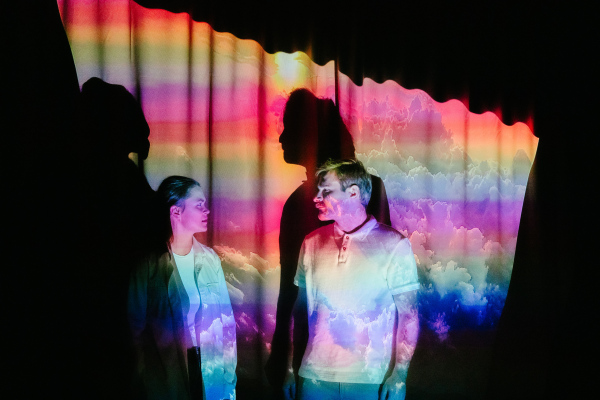
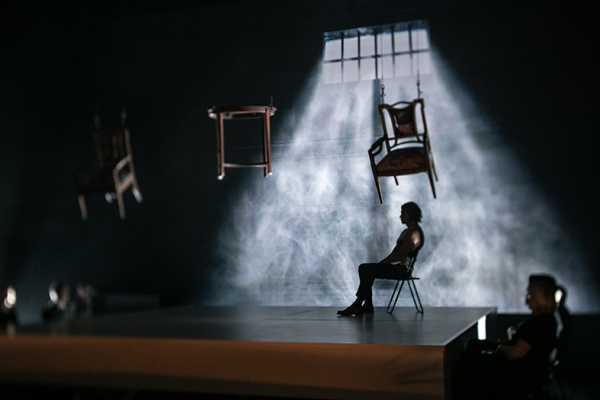
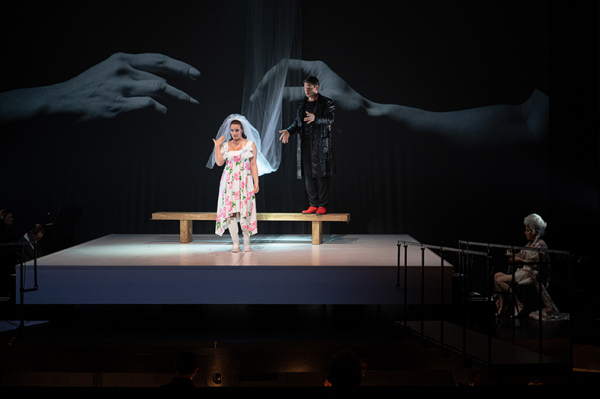
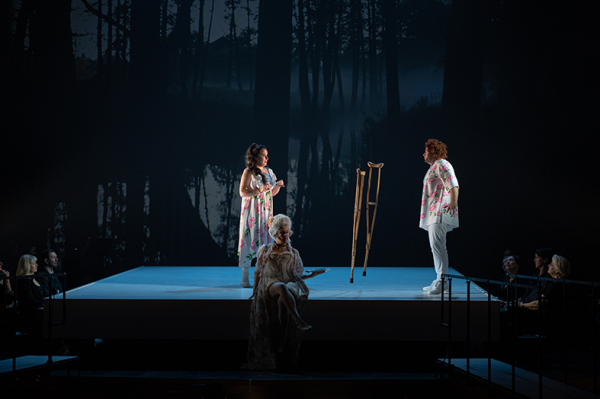
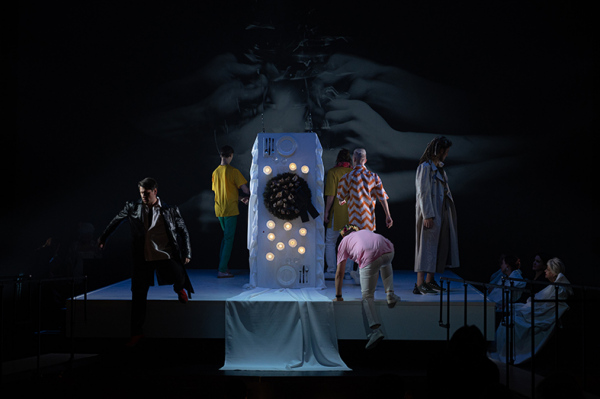
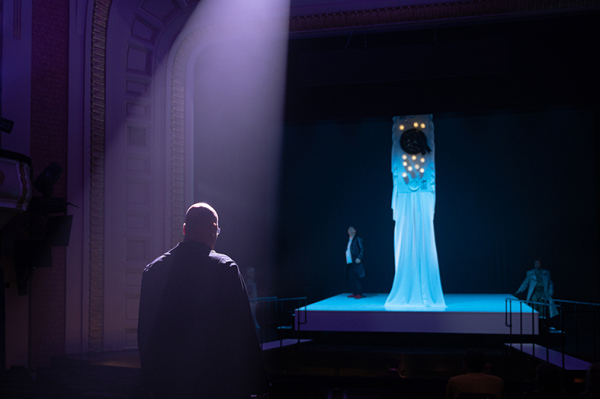
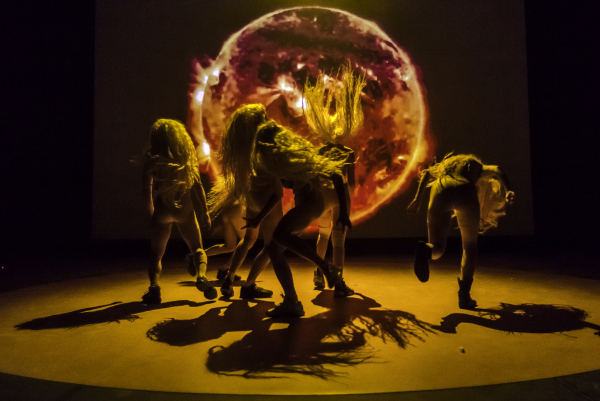
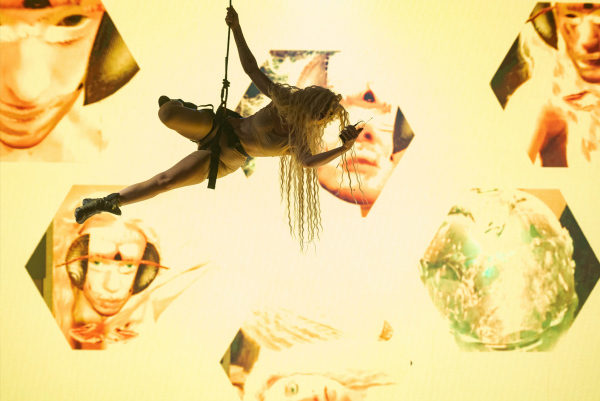
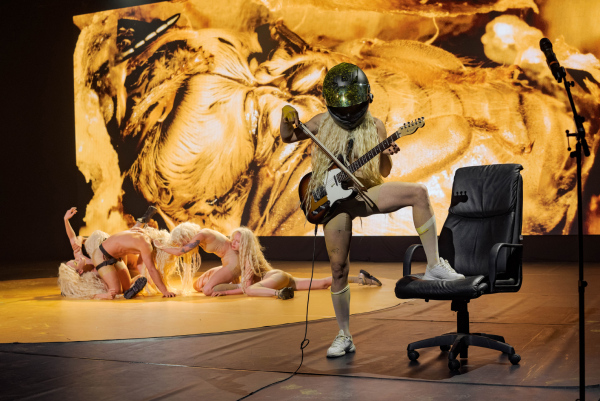
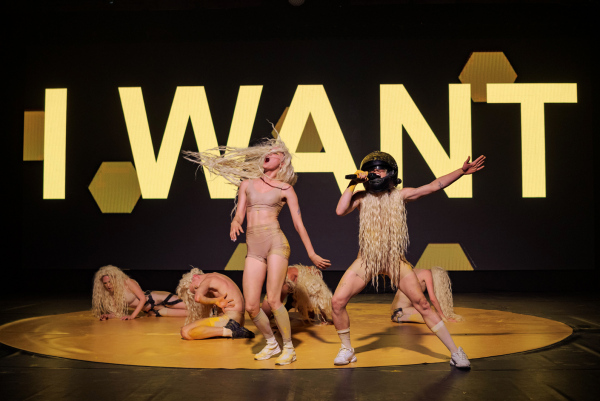
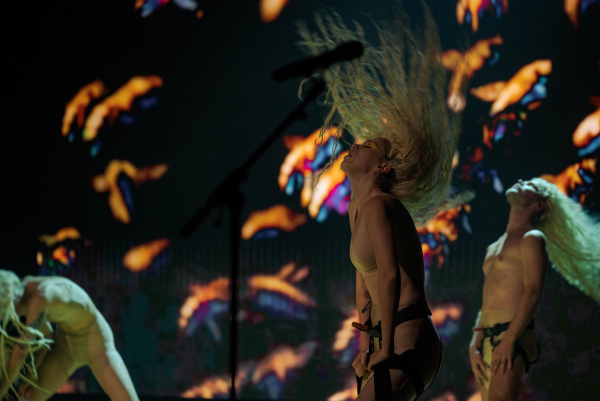
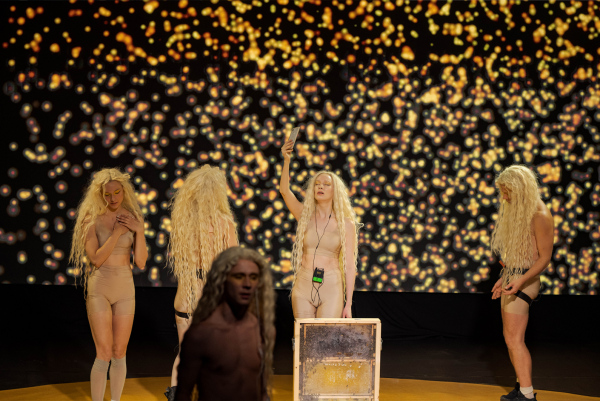
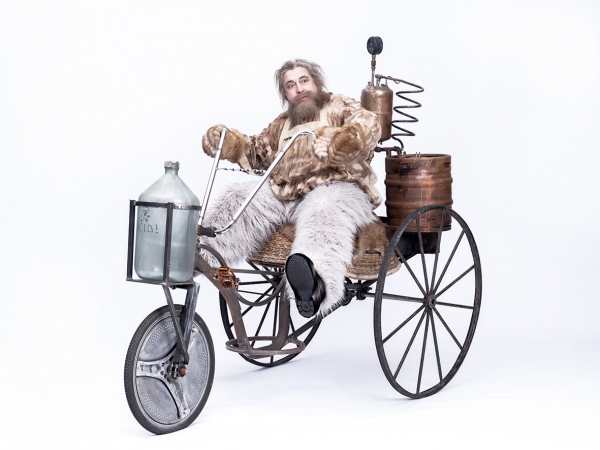
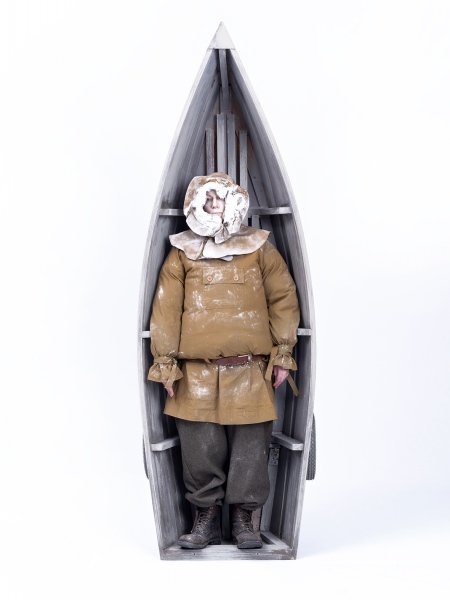
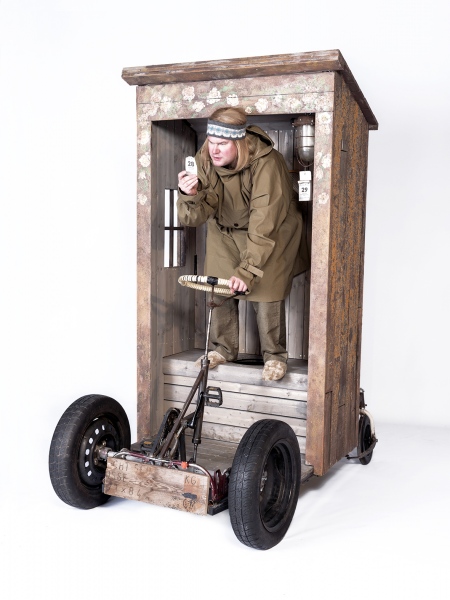
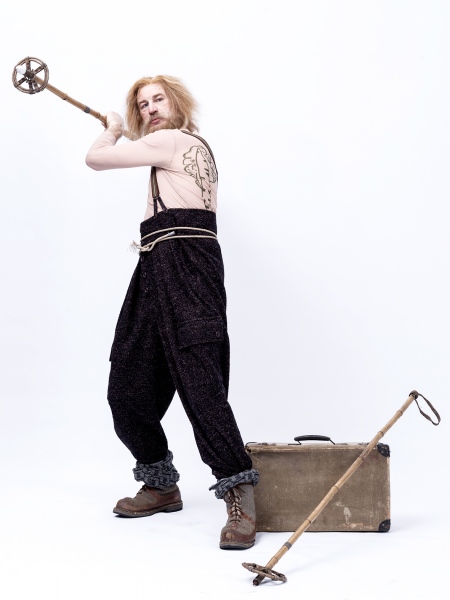
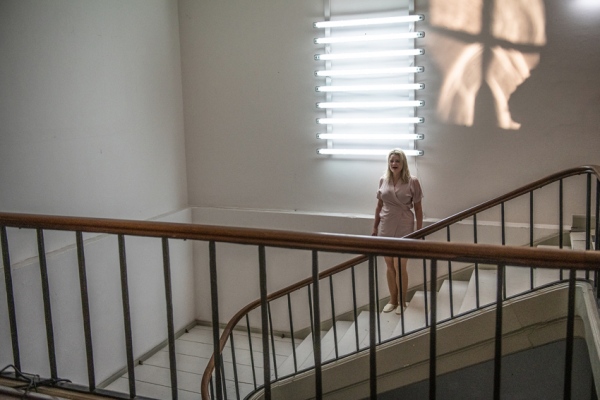
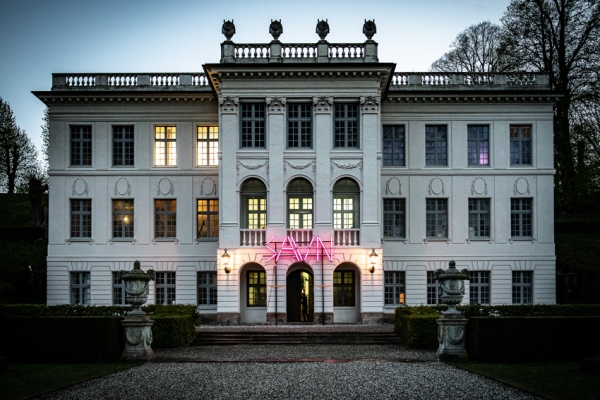
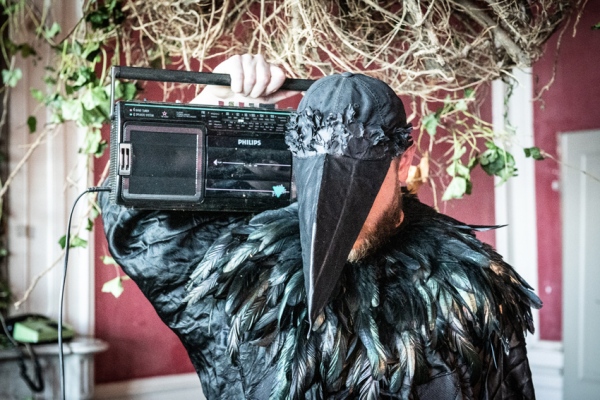
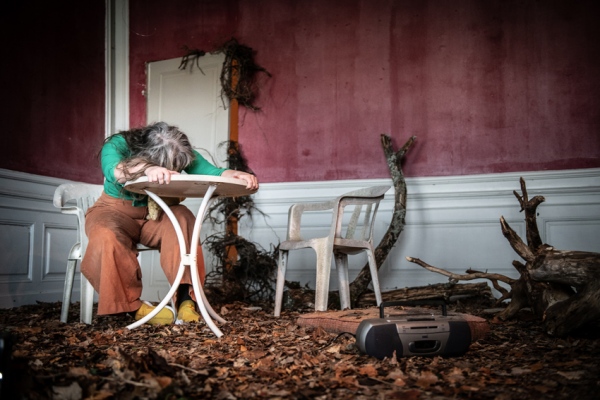
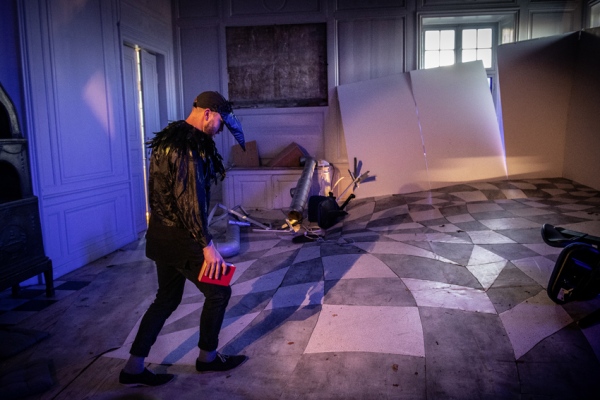
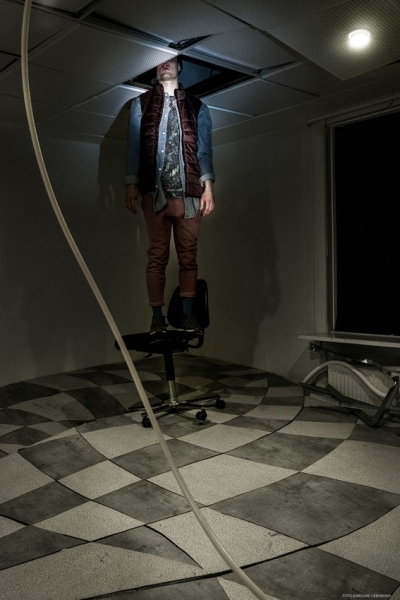
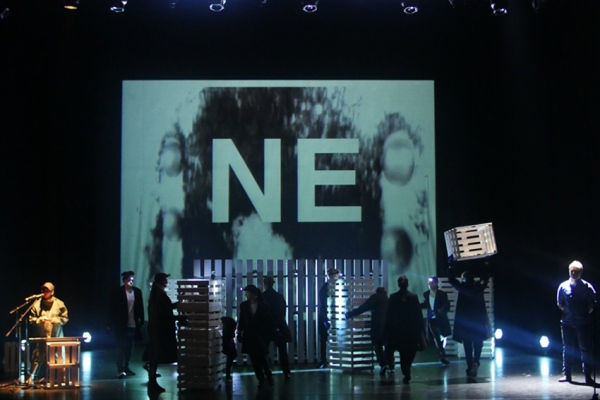
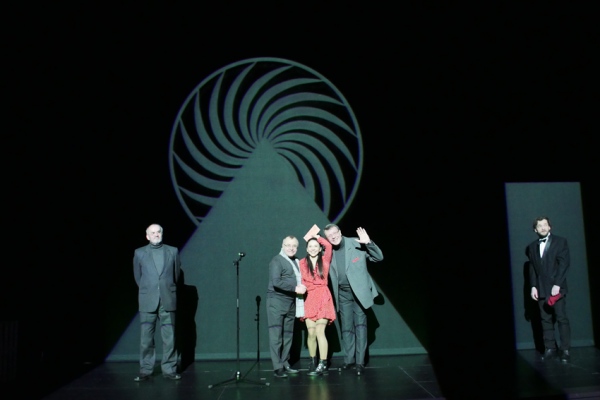
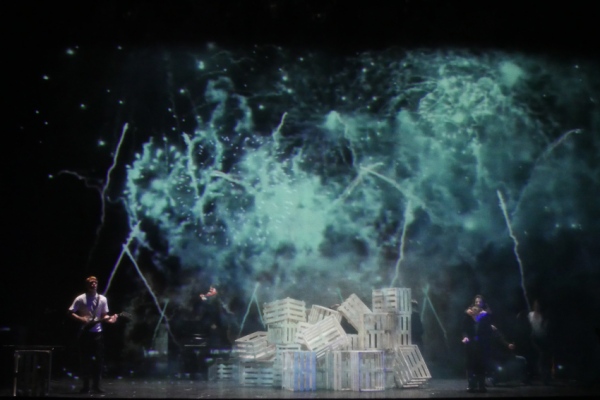
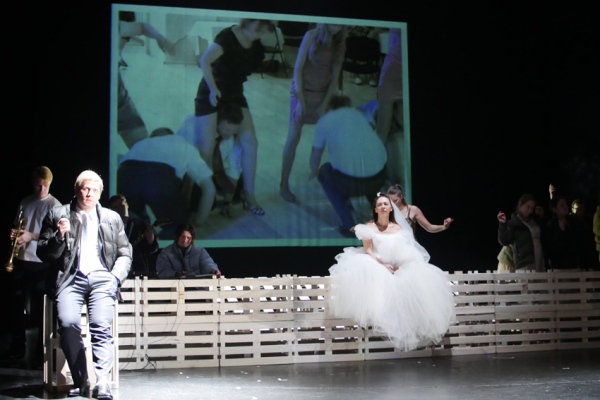
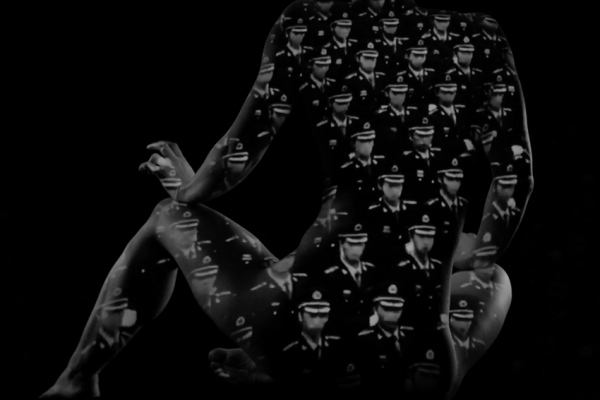
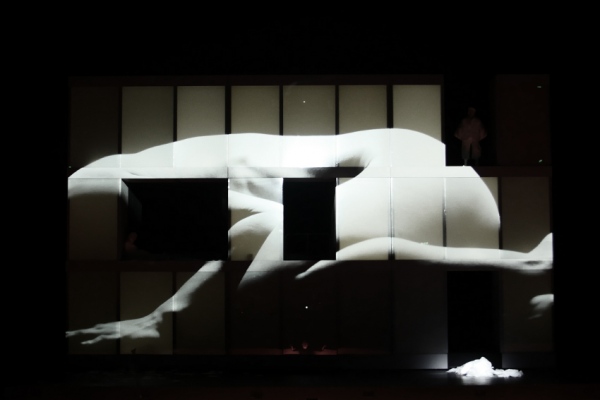
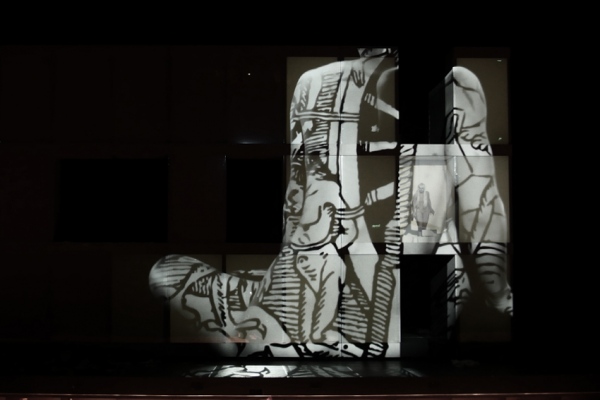
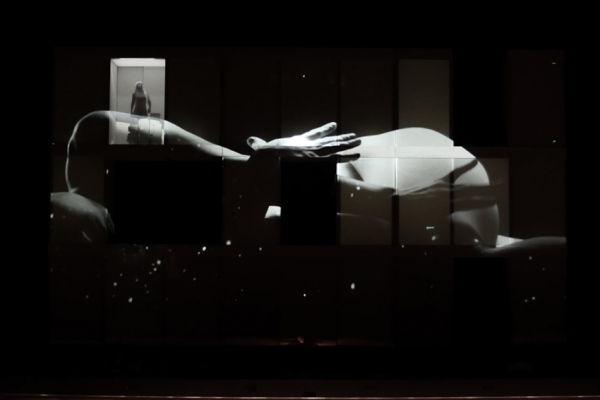
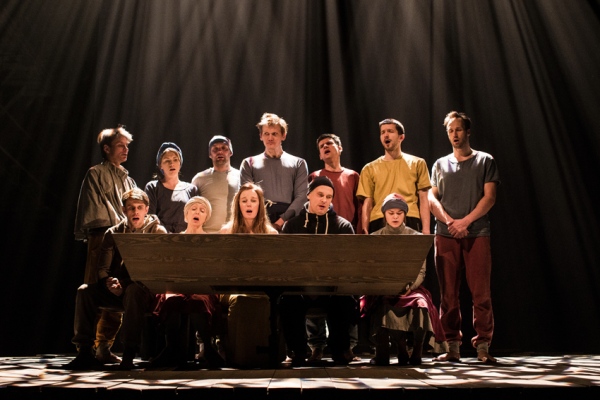
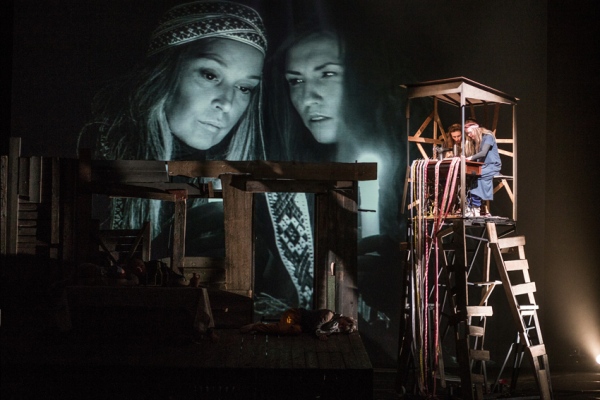
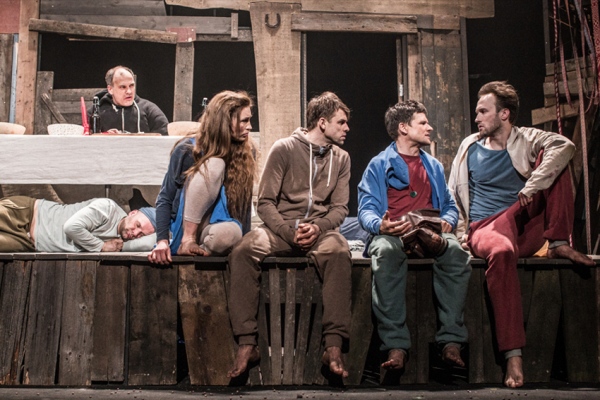
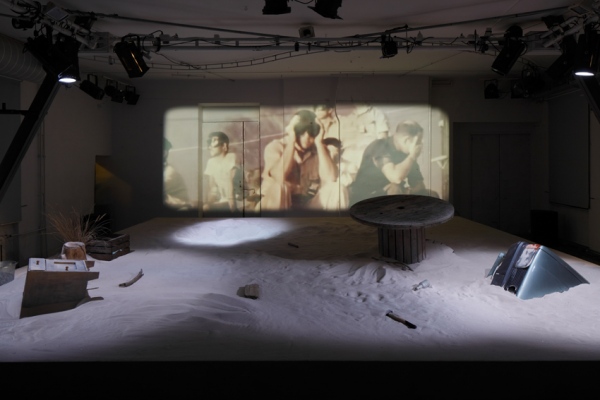
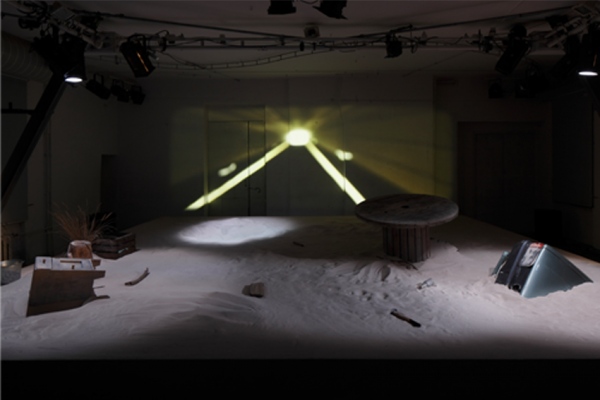
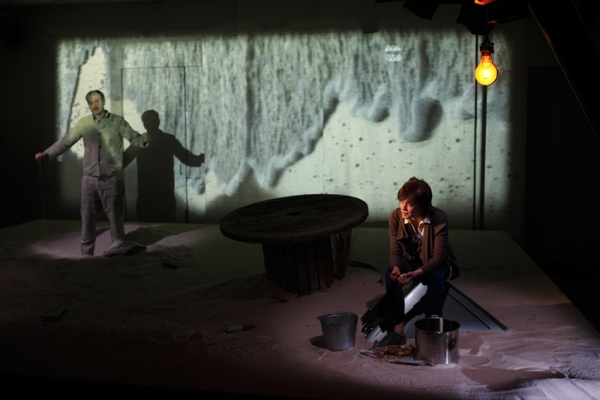
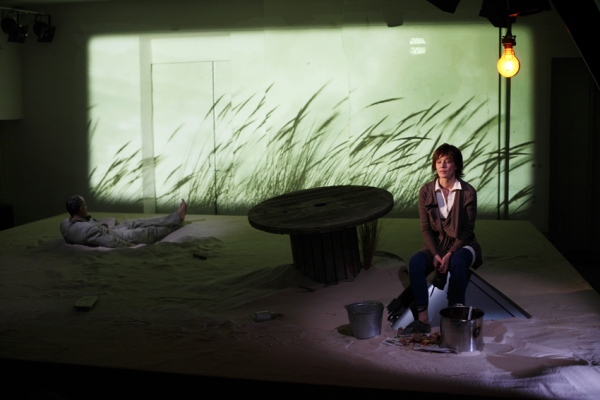
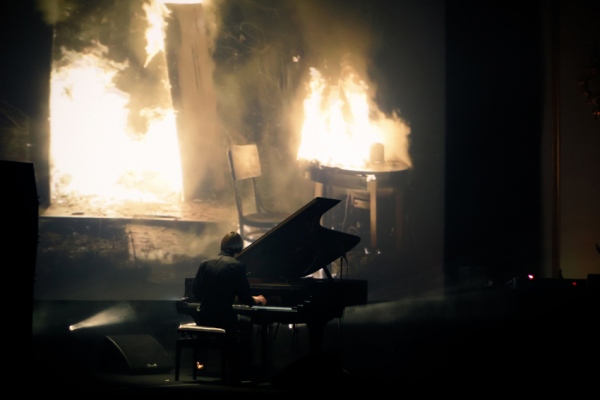
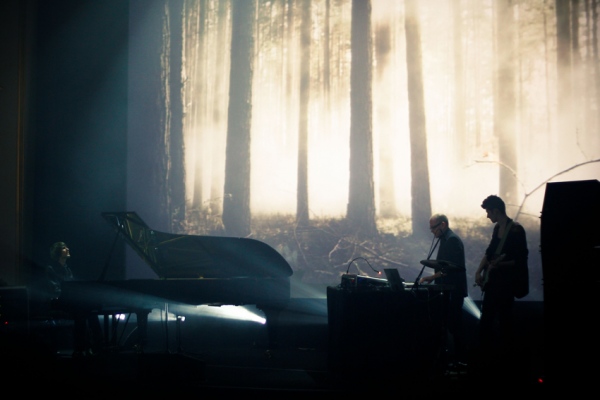
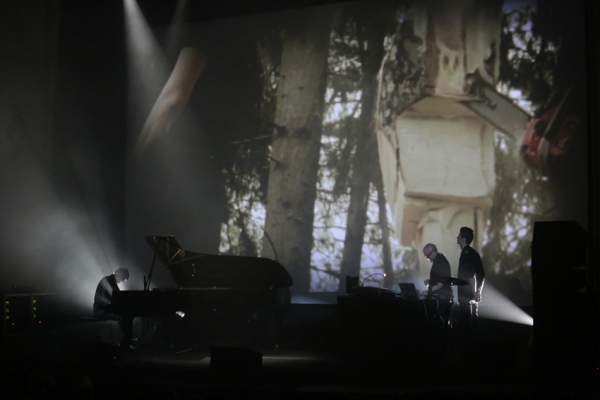
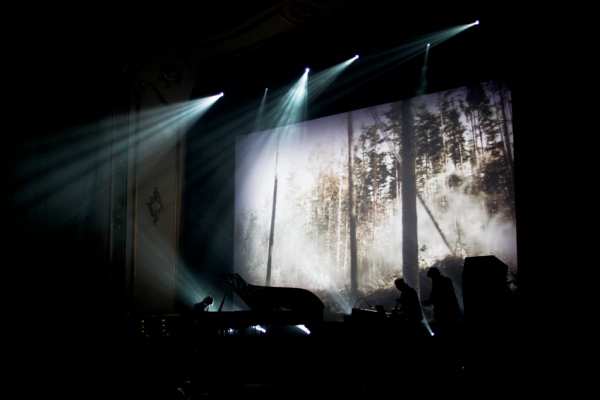
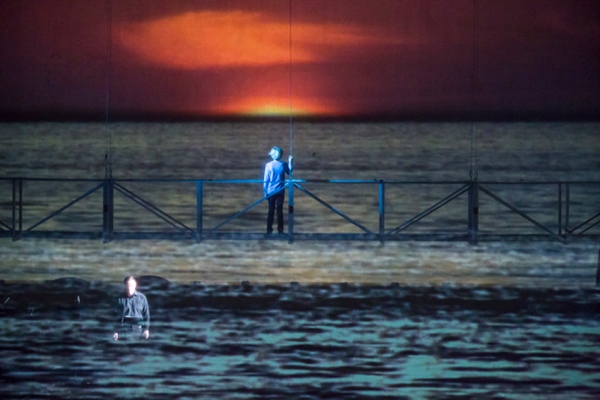
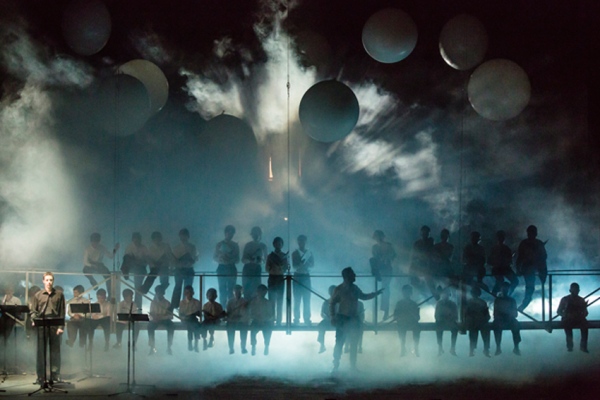
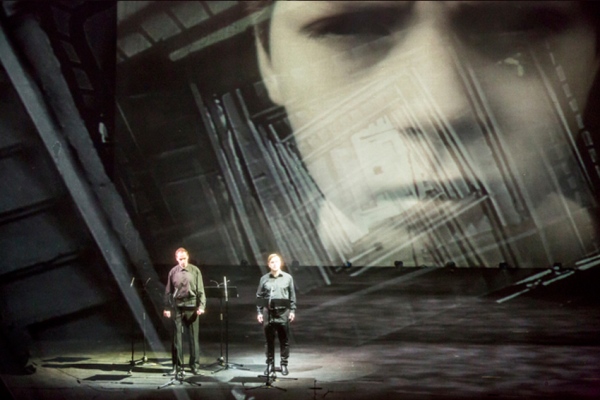
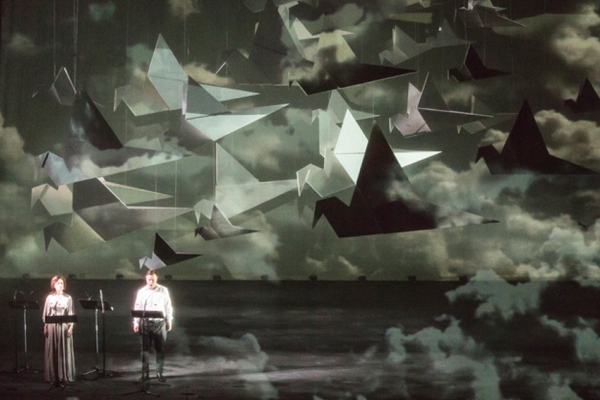
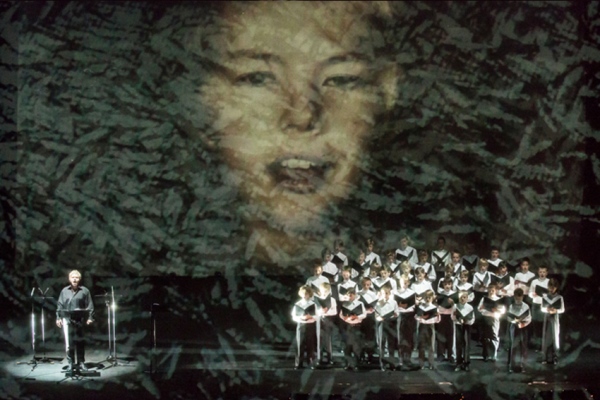
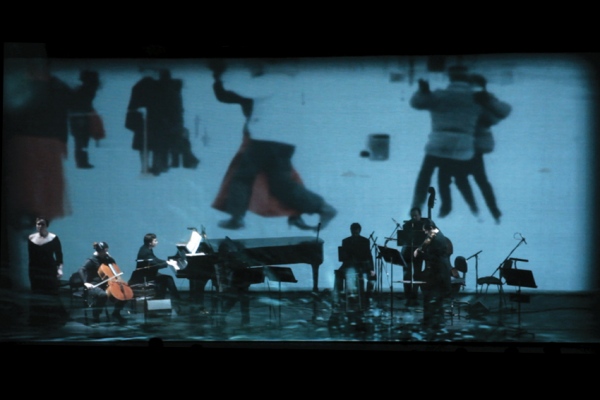
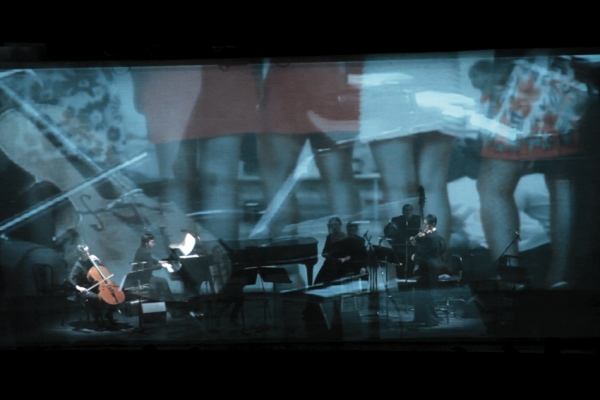
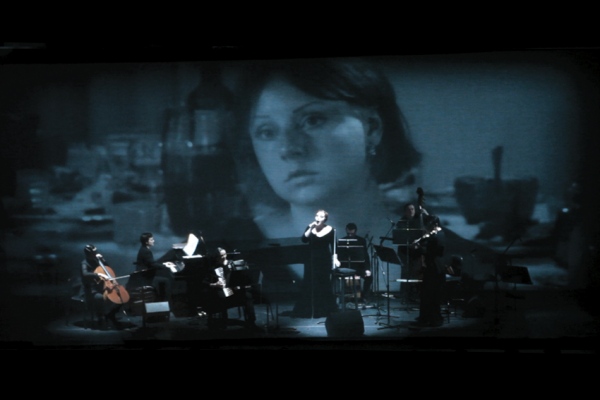
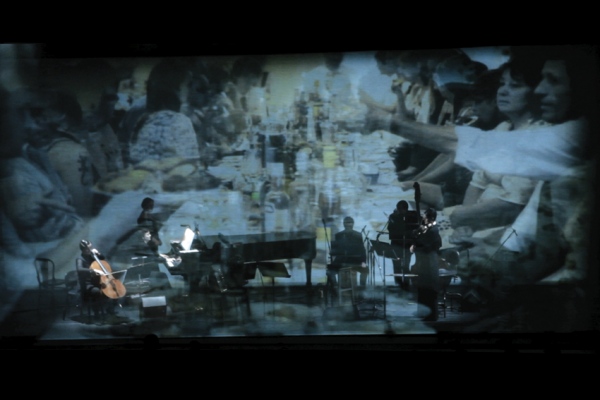
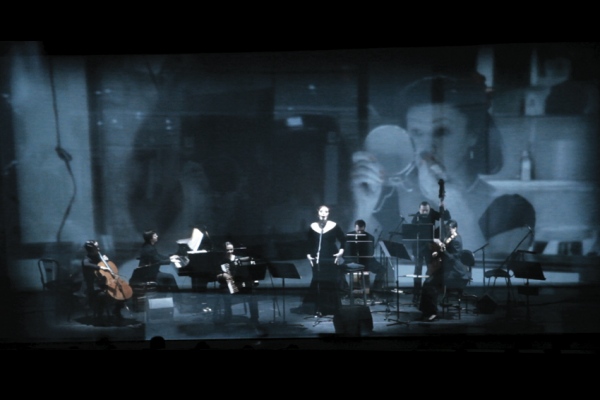
UMMIS and LOBELIA, experimental contemporary music performance, Festival Homo Novus, 2025
The Lobelia dortmanna, which is listed in the Red Book, requires extremely clean growing conditions. It has chosen Lake Ummis, surrounded by coastal forests, as its home, which is the clearest body of water in Latvia. To keep it clean, swimming is strictly prohibited in the lake during the summer.
The experimental contemporary music theater performance ‘Ummis and Lobelia’ is a poetic tribute to the unequal opposition between the autonomy of nature and the pressure of civilization. It also explores the reflection of human psychological states in processes of nature. Liminal situations that force us to peer into the abyss of consciousness. And hope, which, like the fragile lobelia flower, sometimes emerges and rises above the dark depths of consciousness.
The performance includes information from the study by Ādaži Lake researcher Uvis Suško, ‘Lakes of the Seaside Nature Park and Their Biological Characteristics’ (2019), the third part of Vizma Belševica’s poetry cycle ‘At the Lakes of Šakarva’ and terms from Astrīda Neimanis’ essay ‘Hydrofeminism or Becoming a Body of Water’ in the magazine ‘Tvērums. Ķermenis’ (Spring, 2024), translated by Sofija Kozlova and Toms Babincevs, information and photographs by researcher Līva Zolneroviča about the activities of the historical hippie community in the Ādaži area.
In order to preserve the fragile ecosystem of Lake Ummis, the swimming shown in the video footage of the performance did not take place in this lake. The production has made an effort to use reusable set design elements; most of the costumes and set design are reusable and will be returned to the owners or to nature after the performance.
-
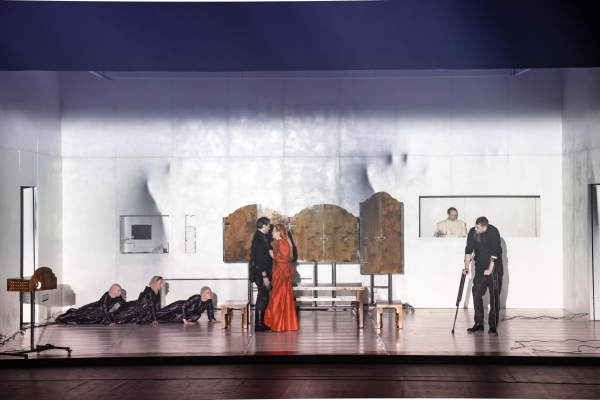
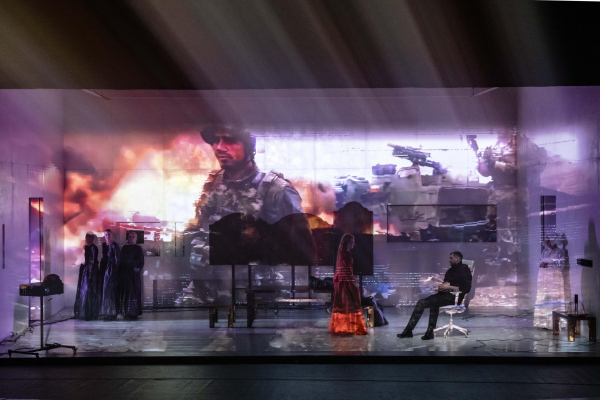
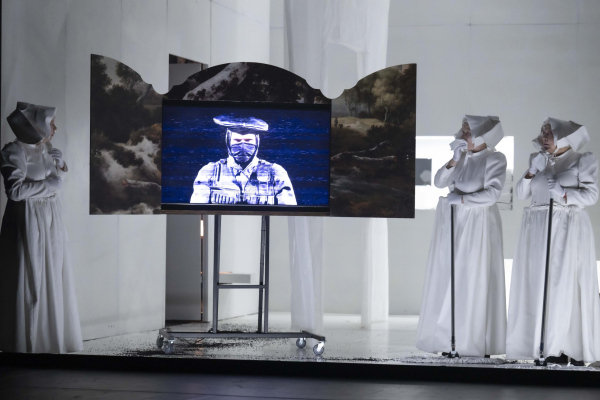
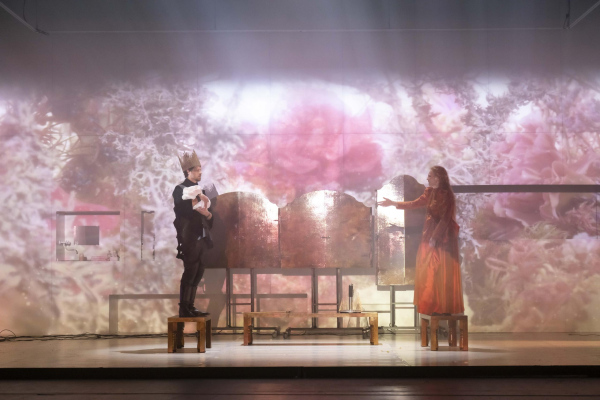
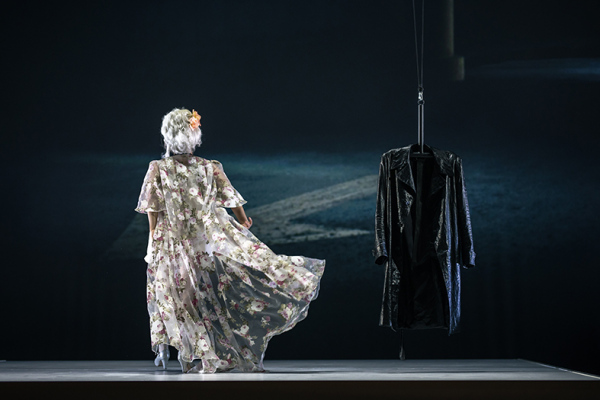
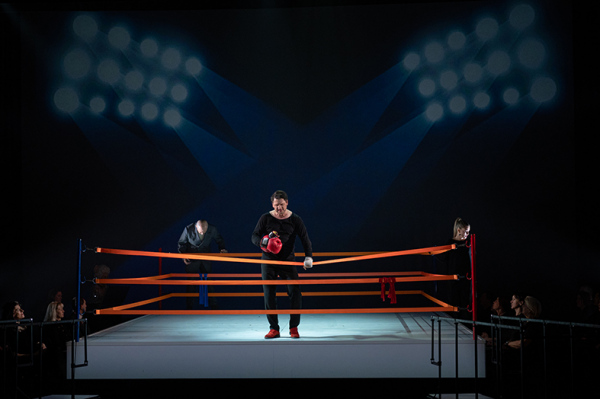
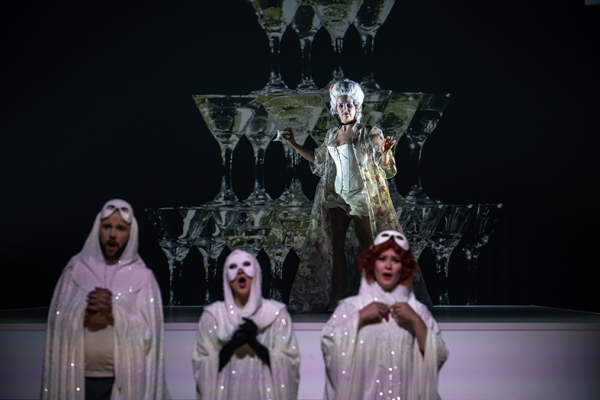
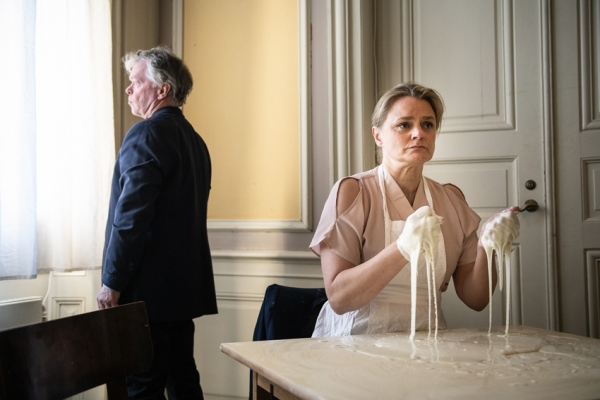
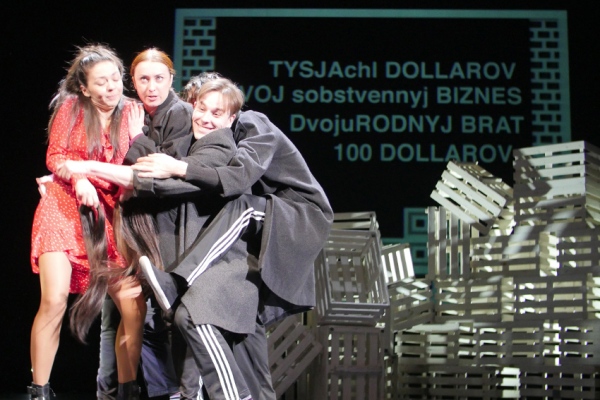
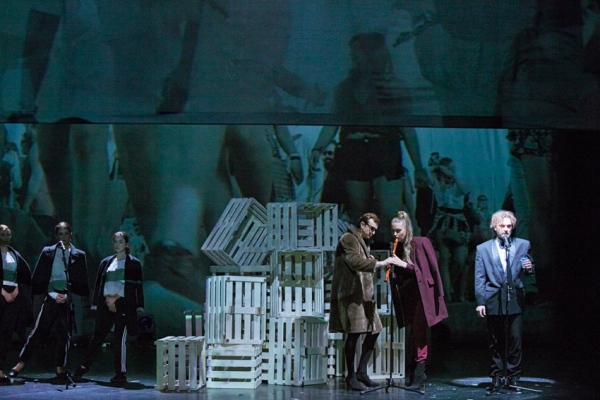
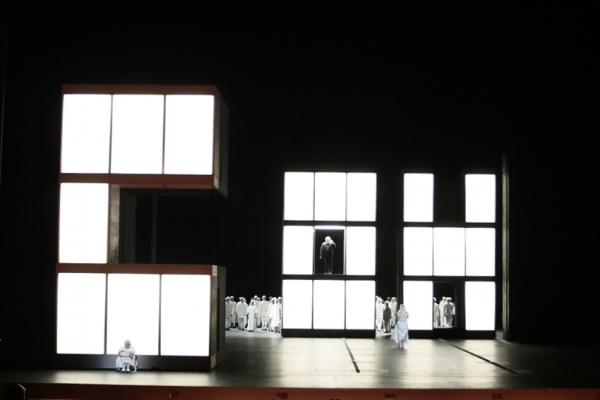
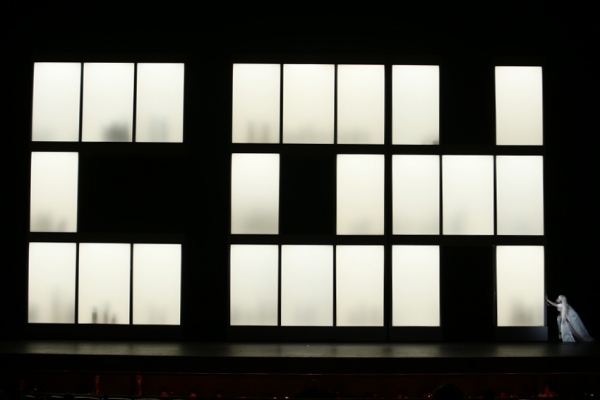
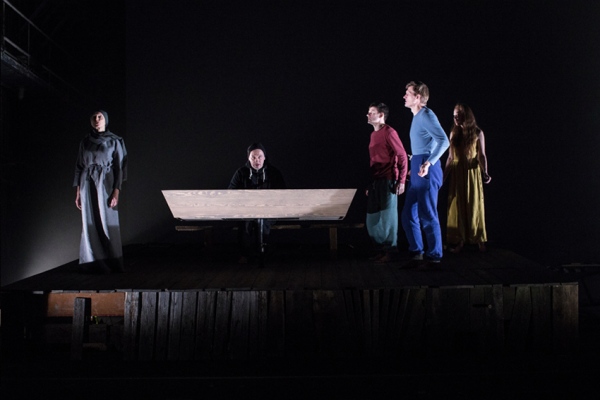
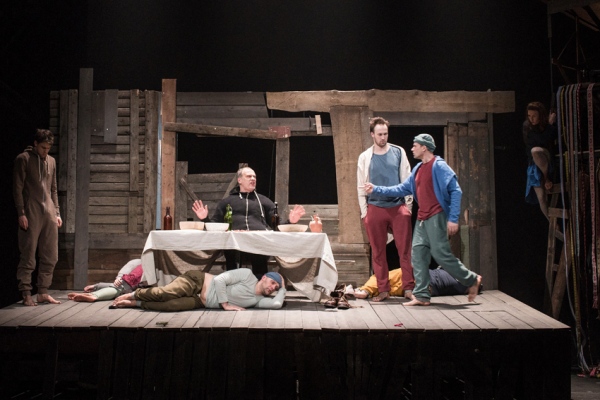
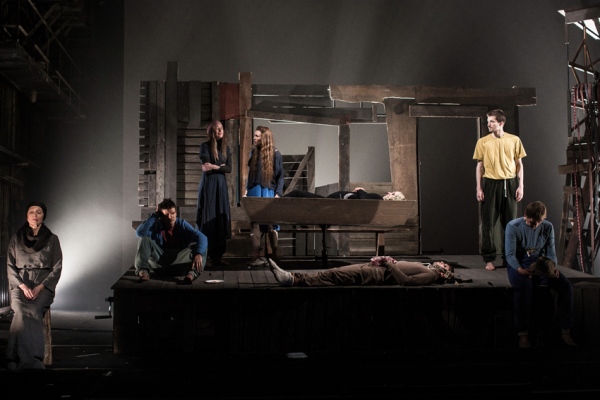
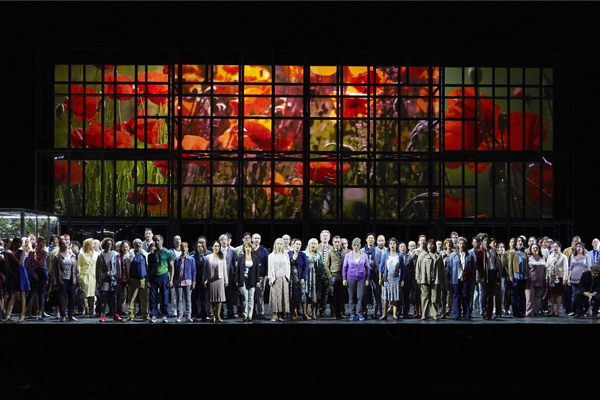
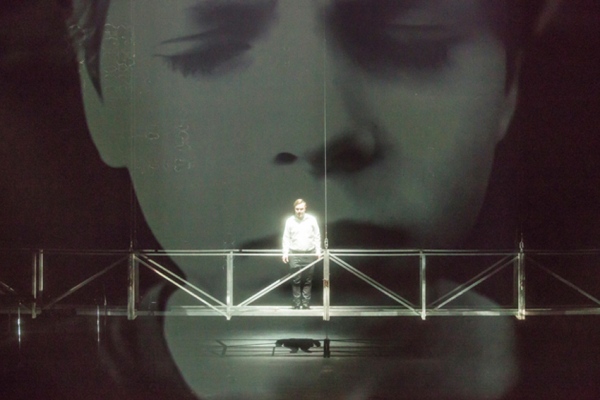
LADY MACHBETH, directed by LAURA, Mikhail Chekhov Riga Russian Theatre, 2025
Set design by Mareunrol's
-
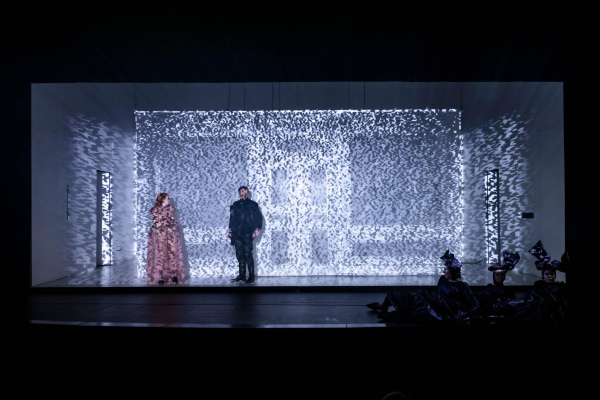
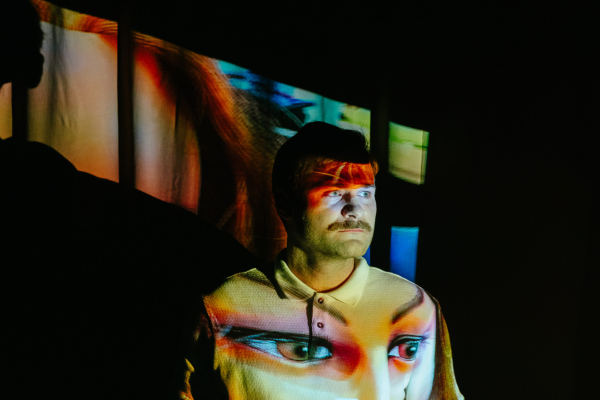
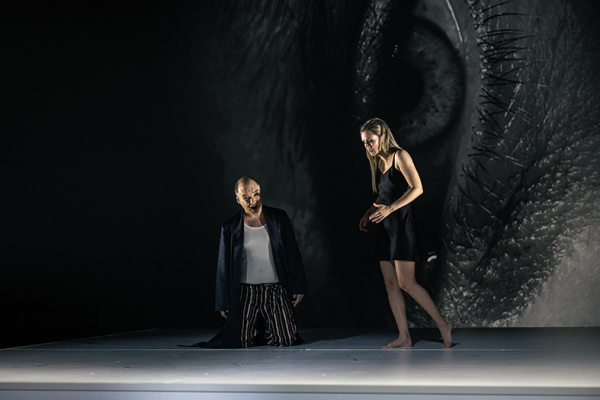
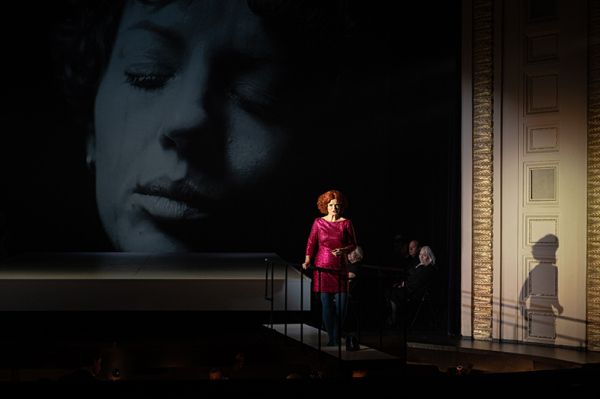
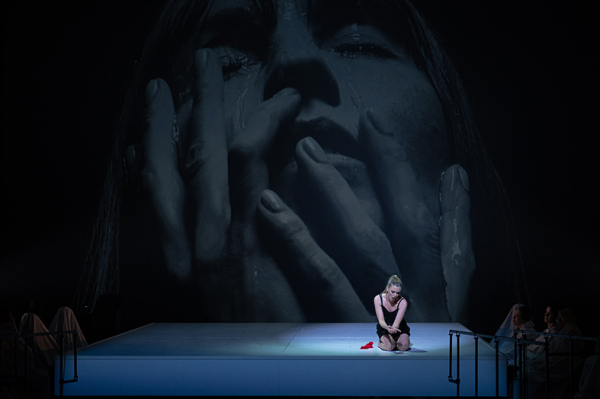
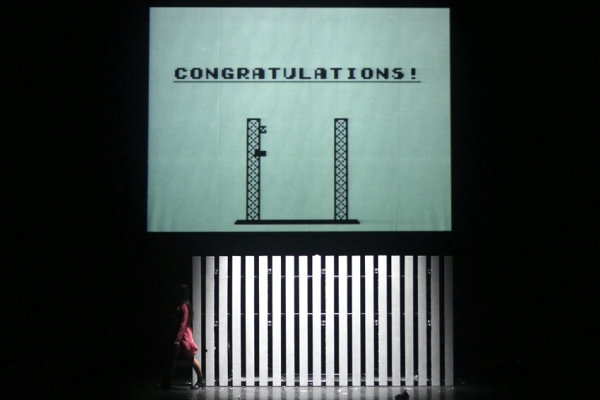
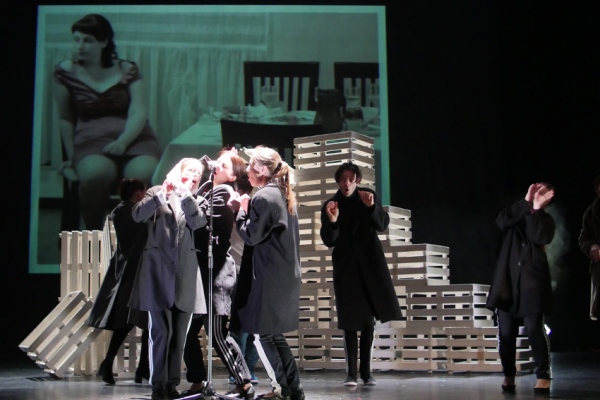
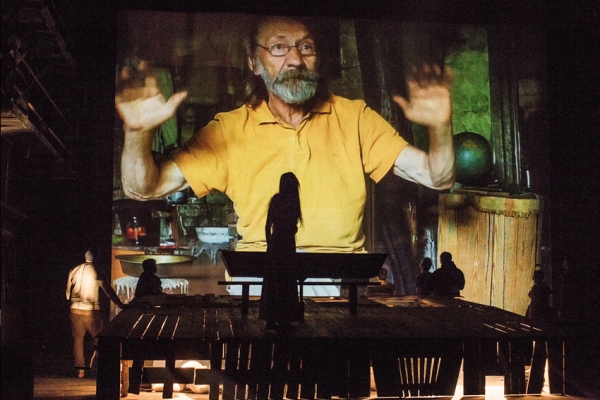
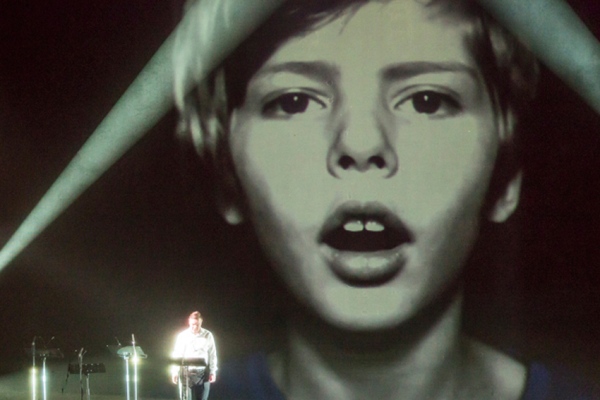
LOVE IS A STRANGER, director Paula Pļavniece, Kvadrifrons, 2024
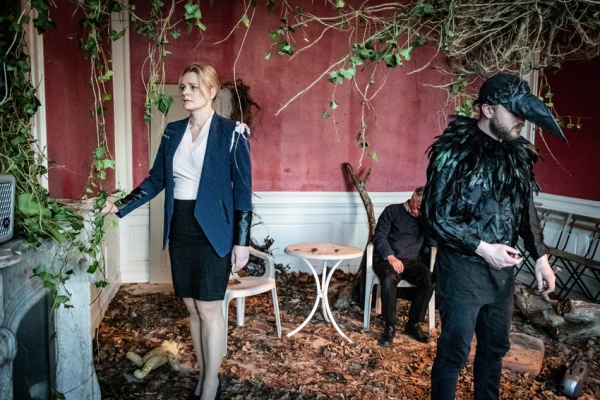
Remember that time we were walking across the Vanšu Bridge and it started hailing and you started crying and I asked you what was wrong and you said that this was probably the happiest moment of your life? And I felt so insanely happy too, and the hail flew in my face and in my eyes, and you started running, and I ran after you, and you ran in front of me, and I hardly saw you at all, so maddening was the hail, but at the same time I knew you were there somewhere because you were singing that self-invented song about Armageddon in full voice the whole time. And then we were by the presidential palace, and you slipped and fell on the ground, and you were holding something, and I jumped on top of you, and Dainis Īvāns came by and pretended not to see us, and you pinned me to the ground, and we were lying there in an embrace by that palace.
One evening, two young people decide to make amends for what they believe is the greatest tragedy in the history of independent Latvia - their crumbling relationship.
'LOVE IS A STRANGER is a bittersweet concert performance about universal ennui, touching memories, Latvian Schlager music and legendary hits, as well as another reality that cannot be imagined and a hundred thousand complicated things that guide our history. Like a tiresome demon in the night, it all keeps washing over us and doesn’t let us wake. Photo Agnese Zeltiņa -
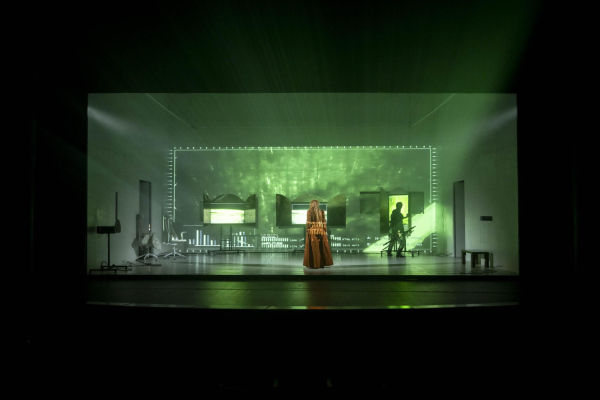
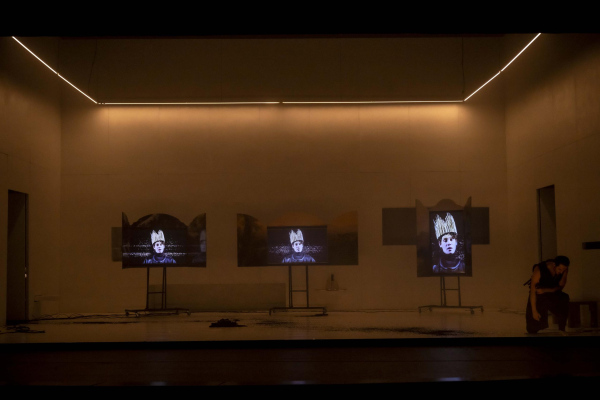
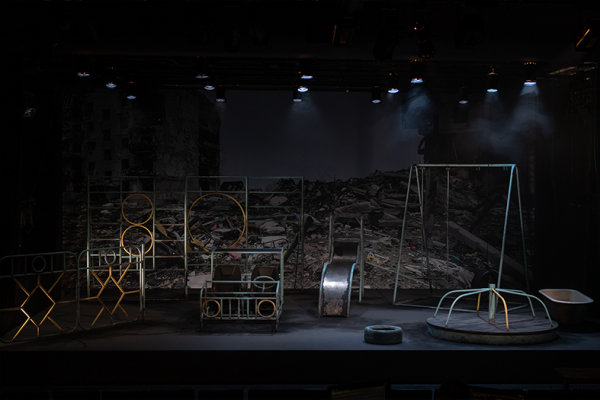
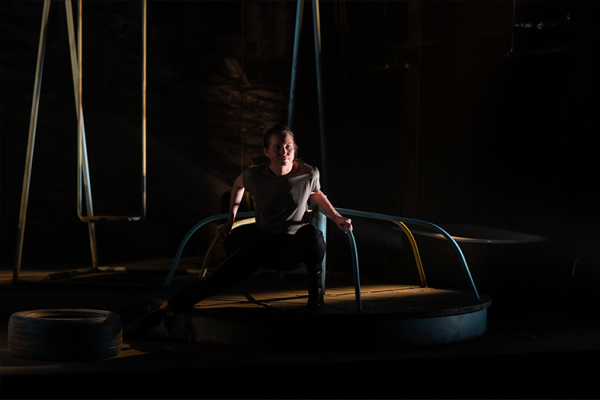
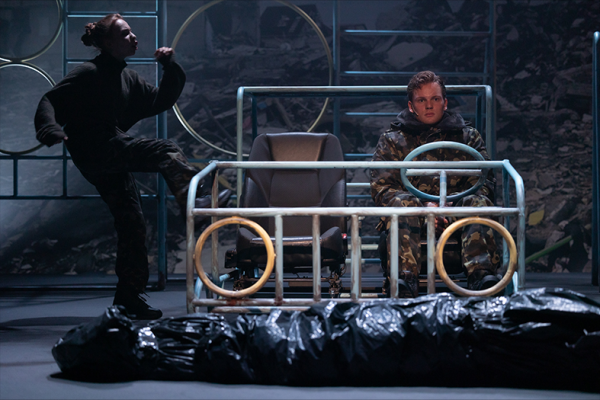
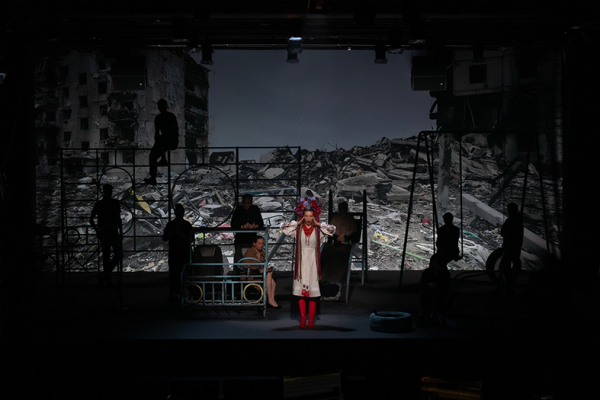
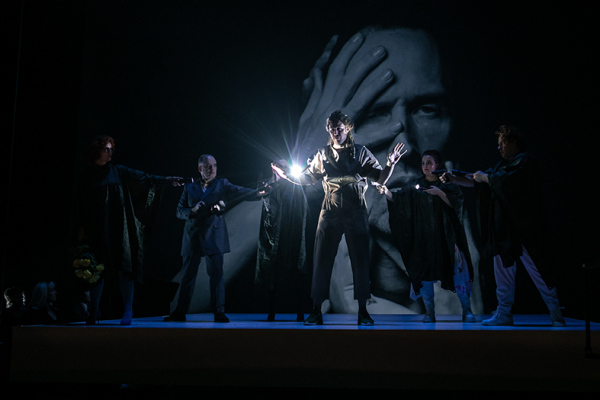
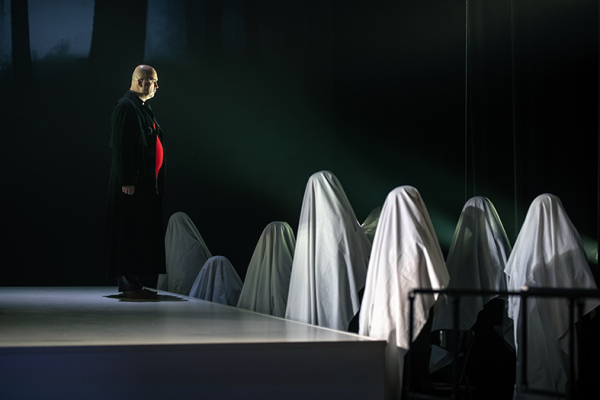
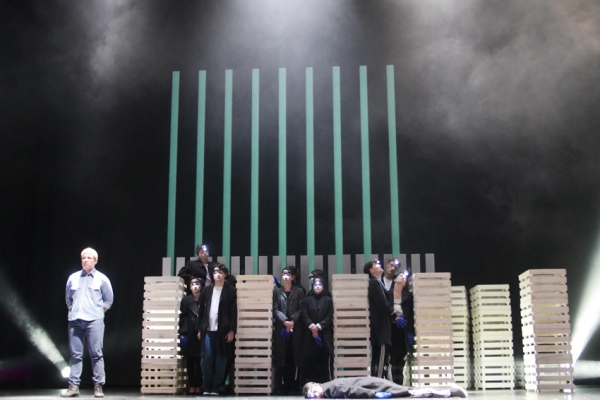
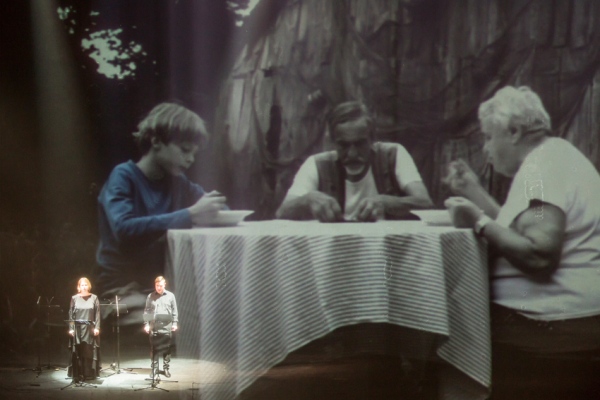
BAD ROADS, director Kristīne Krūze, New Riga Theatre, 2022
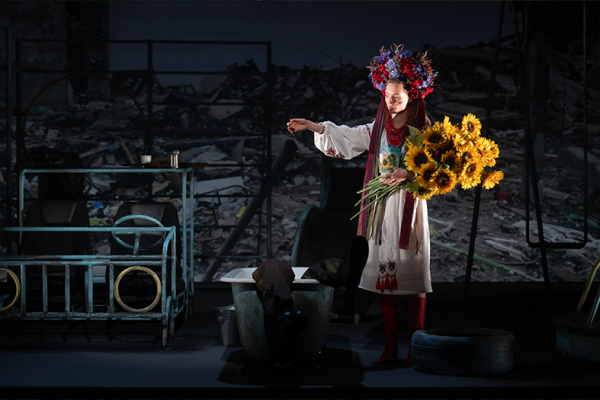
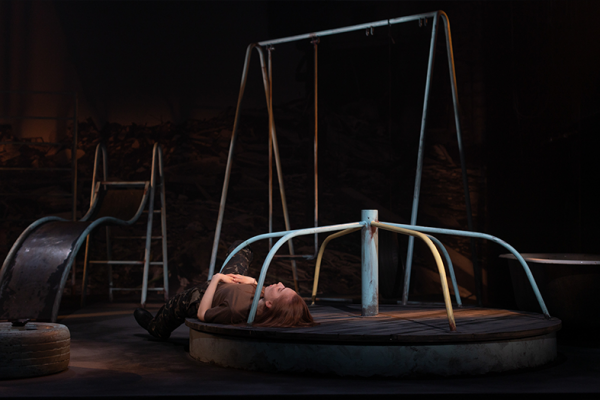
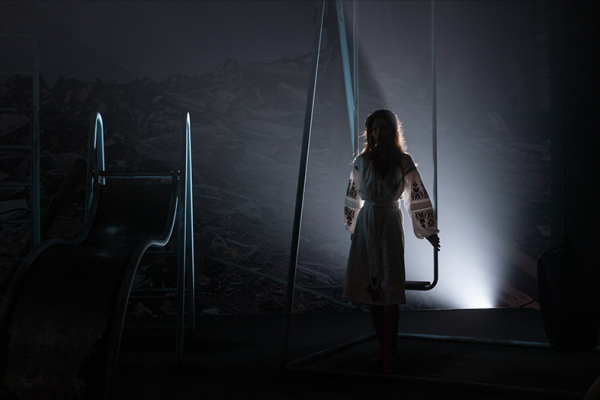
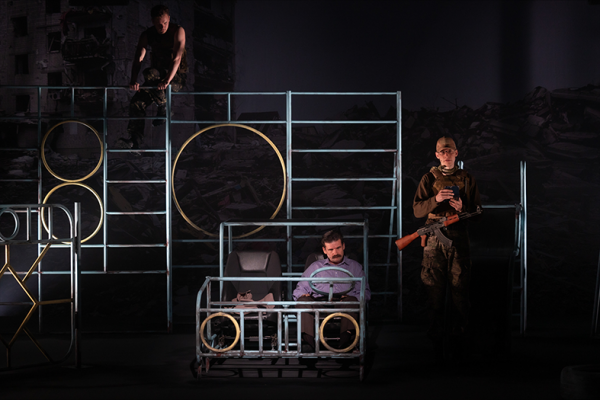
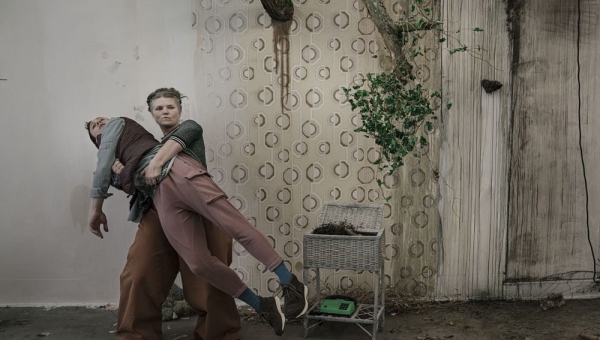
The play is based on the play "Bad Roads" by Ukrainian playwright Natalia (Natalka) Vorozhbyt. The play is taking place in 2014/2015 in Donbas, because the war started there, and not in the spring of this year, but eight years ago.
Whether we like it or not, we are all involved in this war. Even if the bombs do not explode over our heads yet, but thousands of kilometres away. For the first time in history, people have the opportunity to follow the war online, to watch its horrible scary face. For someone, these are not just pictures on the phone or computer screen, but the everyday life. In her work, the author has compiled documentary stories about the war in Donbas. The focus remains on an individual who is trying to adapt and survive. War is like a litmus test casting light in the darkest corners of everyone. No one can hide.photos by Jānis Deināts
-
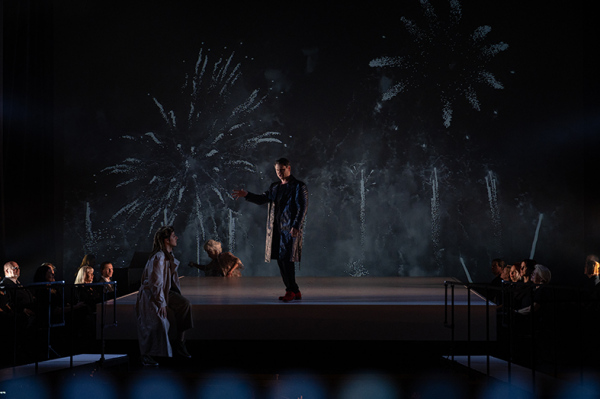
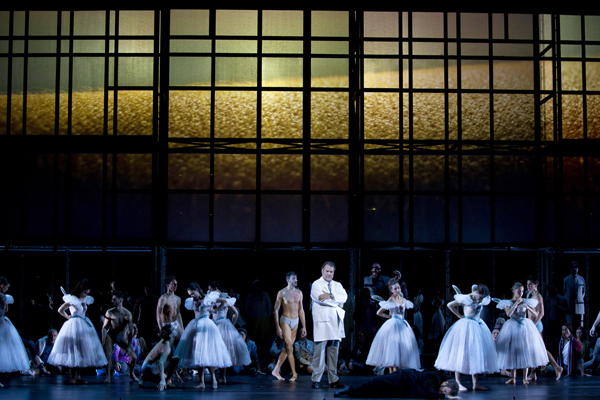
DON GIOVANNI, director Elmo Nuganen, Teater Vanemuine, Tartu, 2021
-
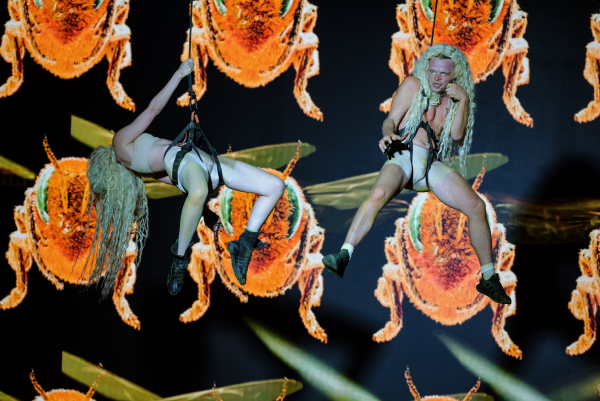
BEE MATTER, 2021,Director Iveta Pole, Kanutti Guildi Saal, Tallin
This mixed media performance addresses the challenge of manifesting the complex reality through the extended metaphor of bees and is structured through three main agential types: a Queen, a drone and a worker. The indivisibility of reality suggests to us ever-widening circuits of existence, located in the agential manifestation of life.
-
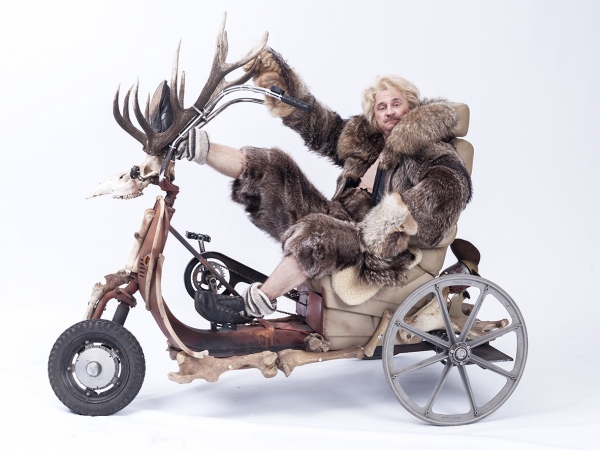
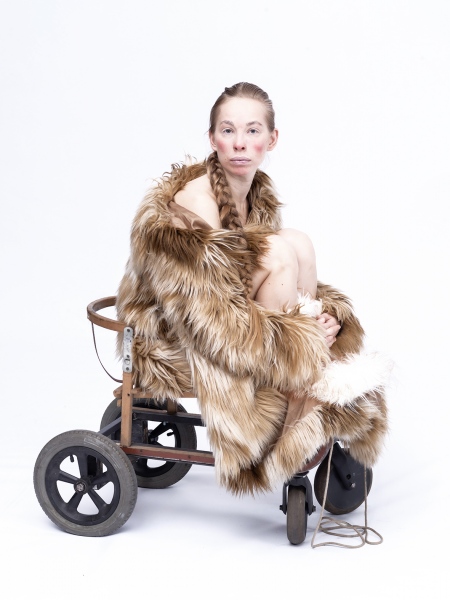
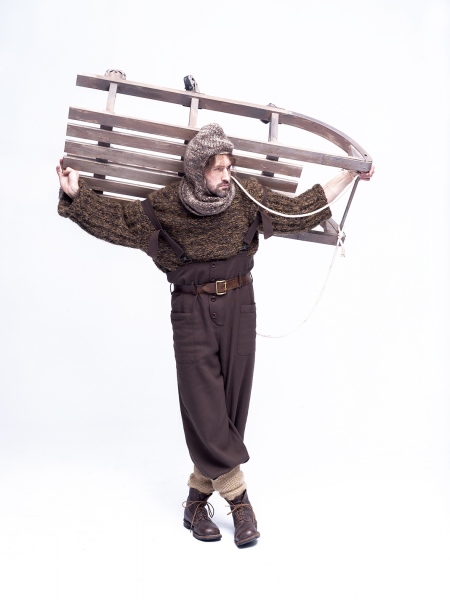
THE COLD VIRGIN AND OTHER NARATIVES by Jorn Riel, set design and costumes (costumes in collaboration with Berta Vilipsone), 2020, Latvia
Foto: Jānis Deināts
-
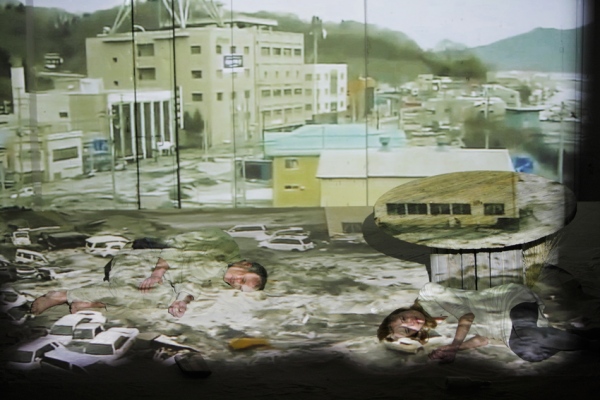
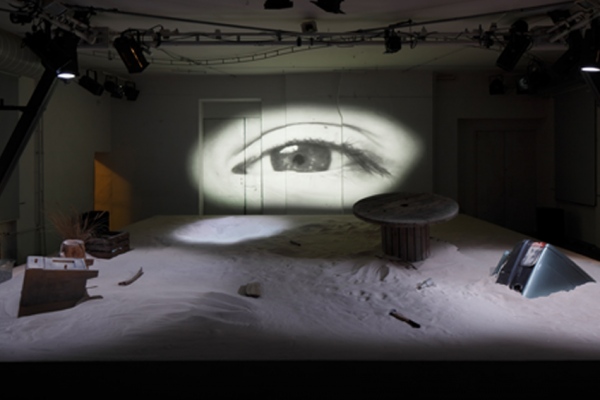
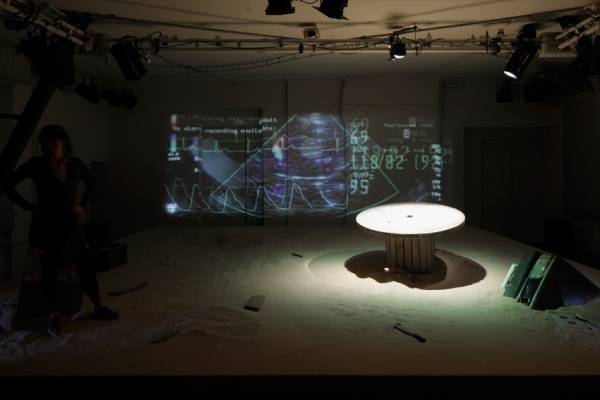
REMEMBER/SAVN 2, multimedia performance about mourning,2019, MarienlystSlot, Denmark
-
REMEMBER/SAVN, multimedia performance about mourning, theatre GROB, 2017, Copenhagen
-
THE GOOD PERSON OF SZECHWAN, Director Elmārs Seņkovs, set design, video artist, 2017, Riga Russian Theatre, Riga, Latvia
-
SALOME, 2017, Director Marat Gatsalov, video artist, Mariinsky Theatre, St.Petersburg
-
PILNA MĀRAS ISTABIŅA, Director Inese Mičule, set design, video artist, costume design, 2016, Latvian New Theatre, Latvia
Foto: Jānis Deināts
-
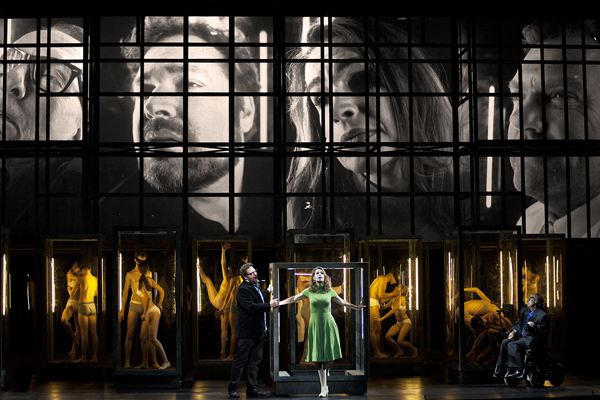
DAMNATION DE FAUST,Director Alvis Hermanis, 2015, video artist, Opera de Bastille, Paris
Foto: Felipe Sanguinetti
-
STUM STUM, 2014, Director Ģirts Ēcis, set design, video artist, costume design, New Riga Theater, Latvia
Foto: Ansis Starks
-
SAMSUNG SMART SESSIONS, 2013, Latvia
-
DAUKA, 2012, Director Ināra Slucka, Latvian National Opera, Latvia
-
CANTANDO Y AMANDO, 2012, Latvian National Opera, Riga
-
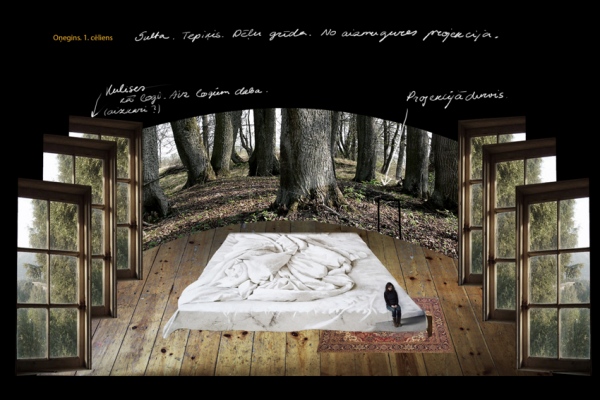
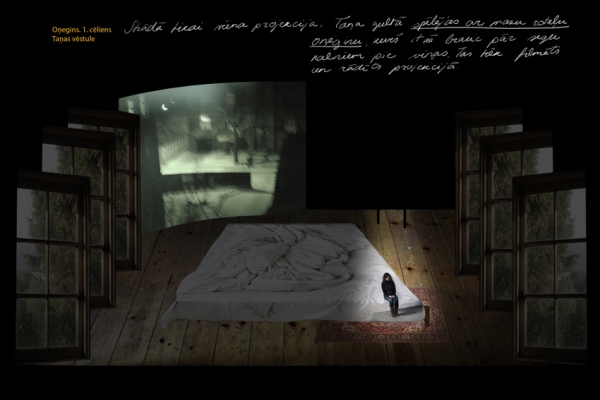
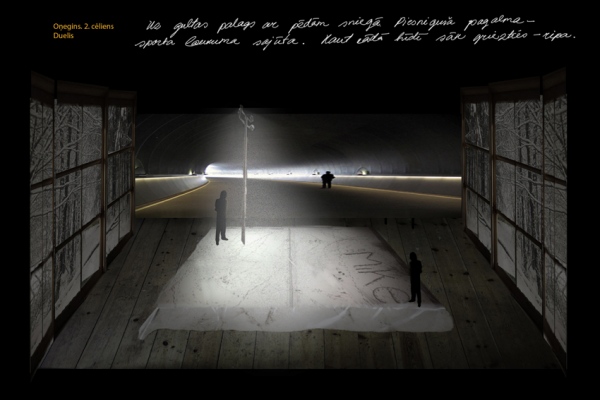
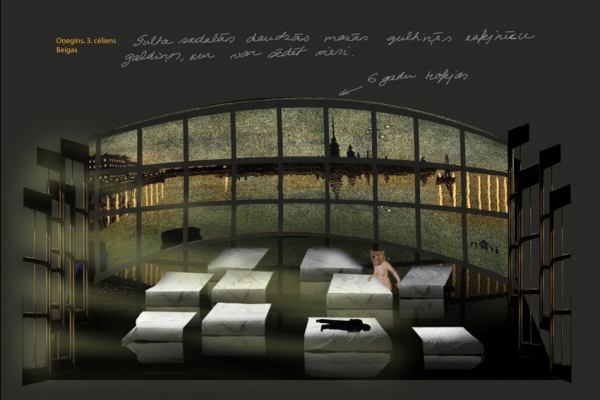
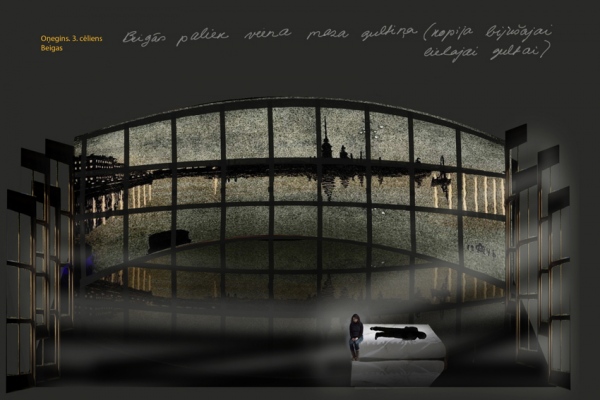
EUGENE ONEGIN, Director Andrejs Žagars, 2010, Latvian National Opera, Latvia